By Correspondent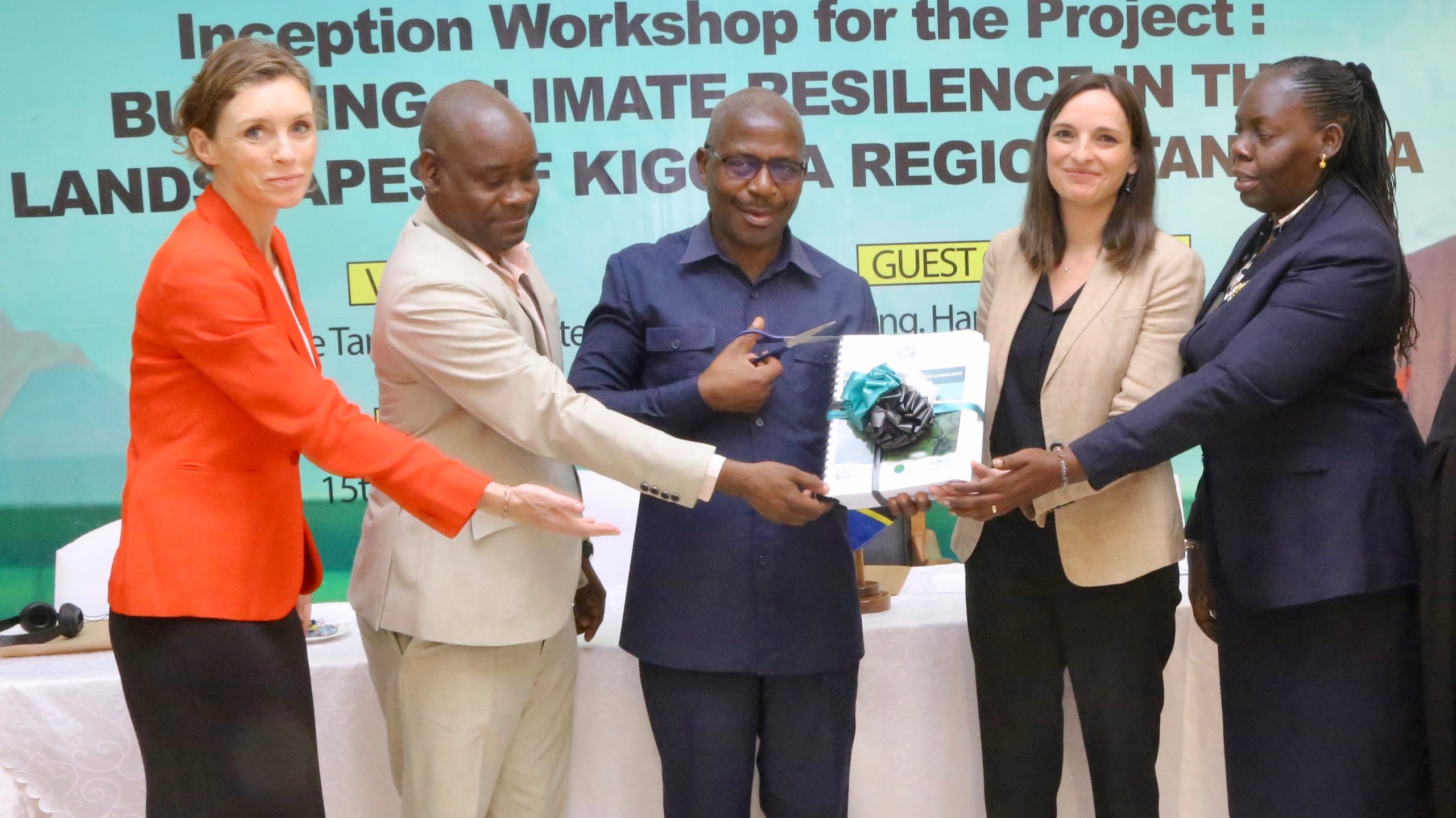
The Government of the United Republic of Tanzania, through the Office of the Vice President, will begin the implementation of a project to build capacity on resilience to climate change in refugee camps and surrounding communities in the Kigoma region of Tanzania.
The aim of the project, which will cost a total of US$19 million, is to build resilience to climate change by focusing on the conservation of ecosystems as one of the key strategies to build resilience to the impacts of climate change in areas with major environmental challenges and conflicts, especially in refugee communities and surrounding communities.
The districts that will benefit from the project include Kasulu, Kibondo and Kakonko, with the aim of reducing greenhouse gas emissions and the impacts of climate change on the world’s ecosystems.
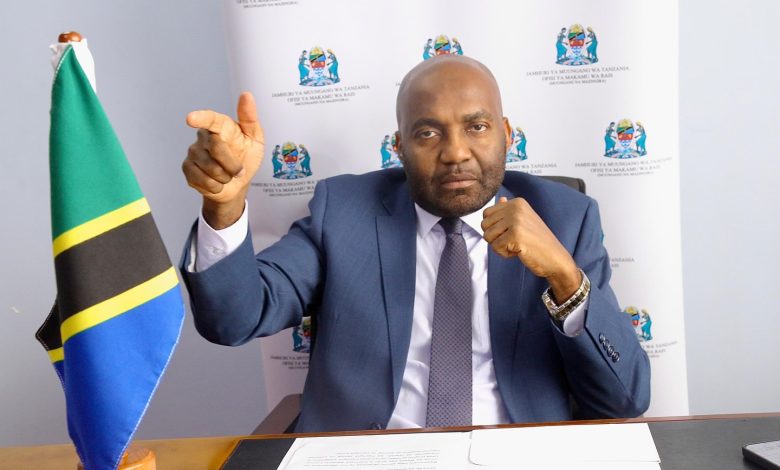
Launching the project, the Kigoma Regional Commissioner Thobias Andengenye at the Kigoma Social Hall on behalf of the Minister of State in the President’s Office (Union and Environment) Hon. Eng. Hamadi Masauni explained that the project will be for five years, from 2025 to 2030, where more than 570,000 people will benefit and restore approximately 42,000 hectares of forests and agricultural ecosystems.
The Kigoma Region in Tanzania hosts more than 190,000 refugees in Ndura, Nyarugusu and Mtendei camps from countries affected by political conflicts, especially Burundi and the Democratic Republic of Congo (DRC).
The project is funded by the United Nations Environment Programme (UNEP) in partnership with the United Nations High Commissioner for Refugees and the Government of the United Republic of Tanzania through the Office of the Vice President, under the coordination of the United Nations Framework Convention on Climate Change. (UNFCCC)